
You left your last eye appointment with a target pressure number, a prescription for eye drops, and a follow-up date circled on the calendar. Then you got home and wondered what else you could do between visits to keep that number where it belongs.
Glaucoma damages the optic nerve, usually because pressure inside the eye stays too high for too long. You can’t restore vision lost to that damage. Keeping your eye pressure steady is the most reliable way to protect the sight you have, and many of the choices that affect it happen outside the exam room.
Keep reading to learn seven practical ways to maintain healthy eye pressure while living with glaucoma.
Why Eye Pressure Matters When You Have Glaucoma
Your eye constantly makes a clear fluid called aqueous humor, which nourishes the front of the eye and then drains out through a tiny meshwork near the base of the iris. When that drainage slows, fluid builds up, and intraocular pressure (IOP) rises. Over time, that pressure strains the more than one million nerve fibers that make up the optic nerve.
Eye pressure also shifts throughout the day. It tends to run higher in the early morning hours and can jump briefly with certain activities. That’s why steady daily habits count as much as any one treatment.
7 Ways to Keep Your Eye Pressure in Check
1. Use Your Eye Drops Exactly as Prescribed
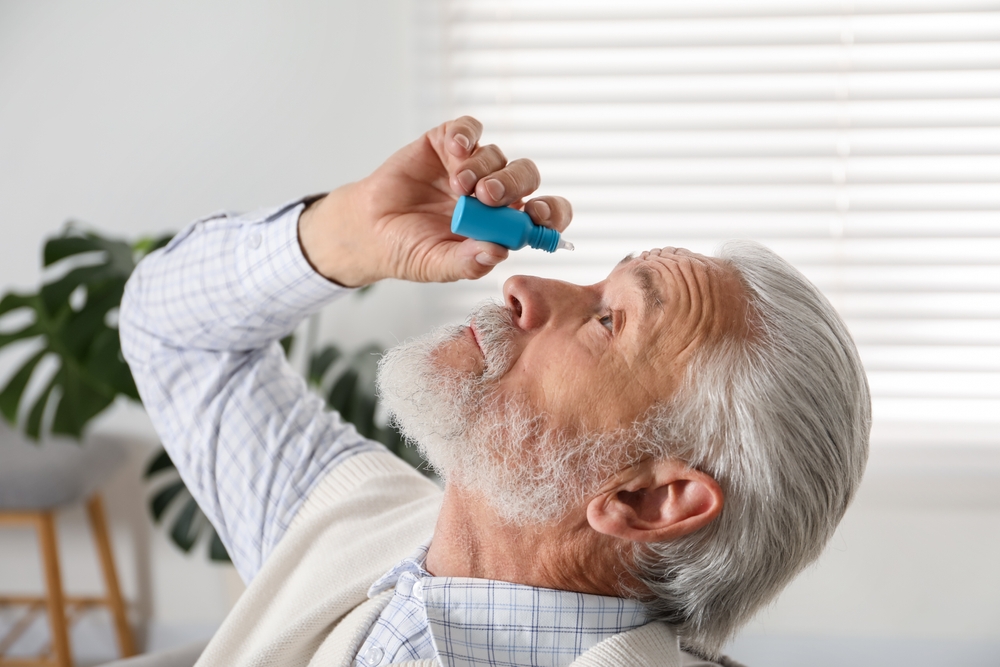
Glaucoma drops lower pressure by reducing how much fluid the eye makes, improving how well it drains, or both. They only work while they’re in your system, so skipped or late doses can let pressure drift upward without you feeling a thing.
Try to take your drops at the same time every day, tied to a routine like brushing your teeth. If you use more than one type, wait about five minutes between them so the first drop isn’t washed out.
After each drop, close your eyes gently and press on the inner corner near your nose for a minute or two. This keeps more medication in the eye. If you miss a dose, use it when you remember unless the next one is almost due; if you’re unsure, call your eye doctor.
2. Keep Every Follow-Up Appointment
Glaucoma rarely causes symptoms until damage is advanced, so you can’t rely on how your eyes feel. Most patients with glaucoma need monitoring every three to six months, depending on how stable their pressure is and how well treatment is working. At these visits, your eye doctor checks your pressure, examines your optic nerve, and may repeat visual field or imaging tests to catch subtle changes.
Glaucoma also runs in families. If you have been diagnosed, your siblings, children, and parents carry a higher risk and should know how often to get tested for glaucoma. A comprehensive eye exam with a pressure check and optic nerve evaluation gives them a baseline long before any vision changes appear.
3. Tell Your Eye Doctor About Side Effects and Other Medications
Some medications can raise eye pressure, and steroids are the most common culprit. That includes steroid eye drops, nasal sprays, inhalers, skin creams, and oral pills prescribed for conditions like arthritis or asthma. Bring a full list of your prescriptions and supplements to each visit.
Side effects from the glaucoma drops themselves deserve attention, too. Many drops contain preservatives that can irritate the eye’s surface with daily, long-term use. Burning, redness, and a gritty feeling are common signs of dry eye, which is common among people who use glaucoma drops. That discomfort can make it tempting to skip doses. Your eye doctor may be able to switch you to a preservative-free formula or treat the dryness directly.
4. Stay Active With Regular Aerobic Exercise

Moderate aerobic exercise, like brisk walking, cycling, or swimming, can slightly lower eye pressure for a period after each session. Regular activity also supports healthy blood flow to the optic nerve and helps control conditions such as high blood pressure and diabetes, which are linked to glaucoma risk.
You don’t need an intense workout plan. Thirty minutes of walking on most days is a realistic place to start.
5. Be Careful With Head-Down Positions and Straining
Some activities cause short but sharp increases in eye pressure. Yoga inversions such as headstands and downward dog place the head below the heart and can raise IOP significantly while you hold the pose. Heavy weightlifting while holding your breath creates a similar effect by increasing pressure in the chest and head.
You can still enjoy yoga and strength training. Skip or shorten full inversions, choose moderate weights, and breathe out steadily during each lift. Even a tight necktie or snug collar can nudge pressure up by restricting veins in the neck, so leave a little room at the top button.
6. Pace Your Caffeine and Fluid Intake
Drinking a large amount of liquid in a short time, such as a full quart of water in a few minutes, can temporarily raise eye pressure. Sipping throughout the day avoids that spike.
Caffeine has a smaller effect for most people, but several cups of strong coffee in a row may briefly raise pressure. One or two cups spread through the morning is generally a reasonable approach.
7. Ask Whether a Procedure Could Reduce Your Reliance on Drops
Procedure-based options can lower pressure more consistently and reduce or remove the burden of a daily routine. The iDose is a tiny implant placed during a brief procedure that releases medication continuously for months.
Minimally invasive glaucoma surgery (MIGS) procedures such as iStent, Hydrus, and TrabEX PRO improve the eye’s natural drainage with less tissue disruption and faster recovery than traditional surgery. MP3 micropulse laser treatment offers another option.
If you also have cataracts, some MIGS devices can be placed during cataract surgery, addressing both conditions in a single procedure.
How The Eye Center Approaches Interventional Glaucoma Care
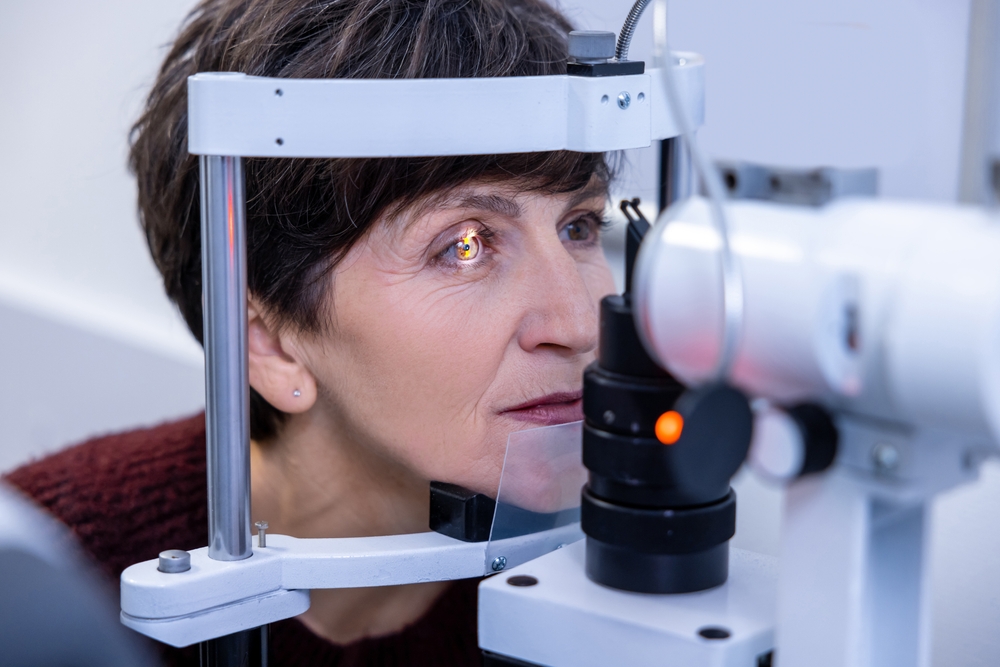
The Eye Center takes a proactive, interventional approach to glaucoma. Instead of waiting until drops stop working, the team often introduces procedures earlier to achieve steadier pressure control and a lighter medication load.
Glaucoma specialist Dr. Bin Wu evaluates your glaucoma type, disease stage, and pressure history to recommend the right option. Dr. Wu served as a principal investigator in the nationwide FDA study for the iDose implant, giving him firsthand experience with this treatment. For patients who do well on drops, that remains a sound choice.
Protecting Your Vision Starts With Steady Pressure
The habits you build between appointments shape how well your treatment works. Taking drops on schedule, reporting side effects, staying active, and avoiding sudden pressure spikes all add up. When those steps aren’t enough, the advanced glaucoma care at The Eye Center gives you more options.
Want to know whether your eye pressure is where it should be? Schedule an appointment at The Eye Center in Greenfield or Athol, MA, today.