
Driving at night used to feel routine. Now, oncoming headlights seem blindingly bright, and streetlights have developed halos you can’t ignore. If this sounds familiar, cataracts may be affecting your vision more than you realize.
Many patients with cataracts first notice problems behind the wheel before they recognize any other changes. The good news is that cataract surgery can restore clarity, and choosing the right intraocular lens (IOL) matters. An extended depth of focus (EDOF) lens is an option worth considering, especially for patients who want clear, comfortable vision at multiple distances after surgery.
Keep reading to learn how cataracts cause the visual disturbances that affect driving, and what EDOF lenses could mean for your vision after cataract surgery at The Eye Center.
How Cataracts Affect Your Vision Behind the Wheel

The natural lens inside your eye is normally clear, allowing light to pass through and focus cleanly on the retina. As a cataract develops, proteins within the lens clump together, forming cloudy areas that scatter incoming light rather than directing it properly. That scattering is responsible for many of the visual disturbances patients notice when driving.
Halos around lights are one of the most common complaints. When light scatters across a clouded lens, it creates the appearance of glowing rings around streetlights, traffic signals, and headlights.
In low-light conditions, when your pupils are more dilated to let in more light, that scattering becomes even more disruptive. Glare from oncoming headlights can feel overwhelming, and the recovery time after a bright light passes takes longer than it used to.
Cataracts also reduce contrast sensitivity, which is your ability to distinguish an object from its background when lighting conditions aren’t ideal. A pedestrian in dark clothing, a curb at dusk, or lane markings on a wet road become harder to pick out with confidence.
Intermediate distances, such as your dashboard, rearview mirror, and the car ahead of you, can also become more difficult to see clearly as the cataract progresses. Many patients find that they start avoiding night driving altogether before they ever seek an evaluation.
What Is an EDOF IOL?
During cataract surgery, your eye doctor removes the cloudy natural lens and replaces it with a clear artificial lens called an intraocular lens (IOL). The type of IOL you choose has a significant impact on how you see after surgery, particularly across different distances.
A standard monofocal IOL focuses light at a single distance, typically for far vision. Patients who choose monofocal lenses usually still need reading glasses for up-close tasks. Multifocal IOLs provide clear vision at multiple distances by splitting light into distinct focal zones, which can introduce halos and glare of their own, especially at night.
An EDOF IOL takes a different approach. Rather than fixing focus at a single point or dividing light into separate zones, an EDOF lens extends the focal range into a continuous range. Think of it similarly to progressive eyeglasses, where vision transitions smoothly rather than jumping between distinct zones.
This elongated focal range allows patients to see clearly at both far and intermediate distances without abrupt shifts or light-splitting effects that can worsen nighttime visual disturbances. The Eye Center offers EDOF technology as one of several premium IOL options for patients seeking greater visual freedom after cataract surgery.
EDOF Lenses and Driving: What Patients Often Notice

For patients primarily concerned about driving, EDOF lenses offer several specific advantages:
Because EDOF lenses stretch light rather than split it, they tend to produce fewer halos and less glare at night compared to multifocal options. This is one of the reasons they appeal to patients who drive frequently or who feel that nighttime visual disturbances are their biggest concern. The reduction in scattered light creates a cleaner visual experience in the kinds of low-light conditions that make driving most demanding.
The continuous focal range of an EDOF IOL also addresses the intermediate distances that matter most while driving. Road signs ahead, the dashboard in front of you, and the mirrors on either side all fall within the visual range that EDOF lenses handle well. Patients often report being able to glance between these distances naturally, without needing to reach for glasses or strain to bring something into focus.
Contrast sensitivity, which cataracts tend to diminish, often improves after cataract surgery with an EDOF lens. Better contrast makes it easier to see lane markings, pedestrians, and other vehicles against varying backgrounds, which helps you feel more secure and aware while driving at dusk or after dark. Some patients may still find reading glasses helpful for very fine print, but most driving-related tasks fall comfortably within the range of an EDOF lens.
Is an EDOF IOL a Good Fit for You?
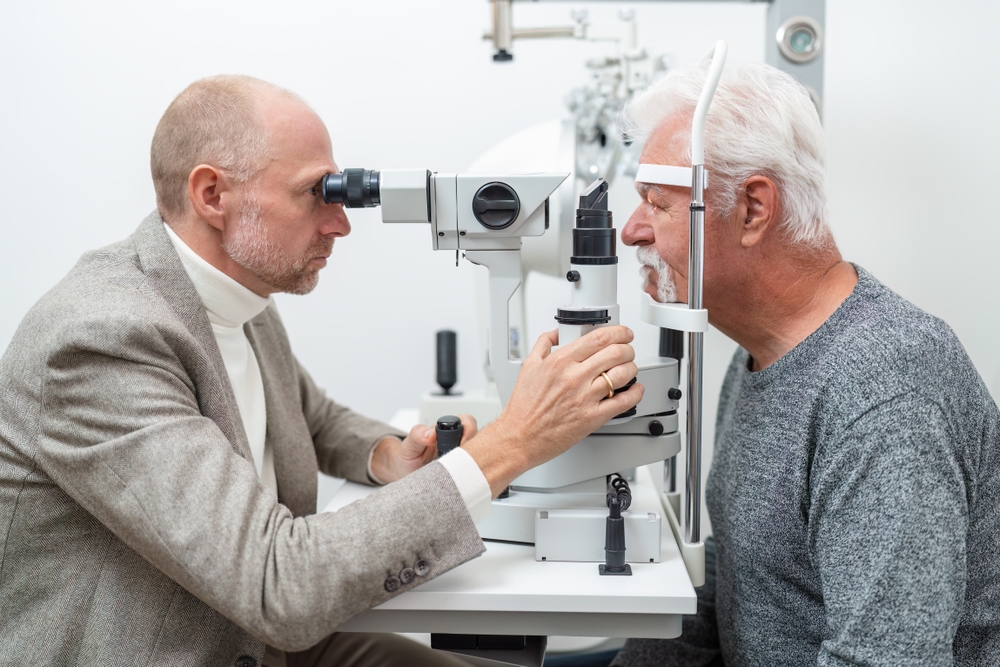
EDOF lenses tend to work well for patients who spend significant time driving, use a computer regularly, or engage in hobbies and daily tasks performed at arm’s length or farther. If you want to reduce your dependence on glasses for most of the day while also minimizing the risk of nighttime halos, this lens type is worth discussing with your eye doctor.
A few individual factors also influence how well any IOL will perform for a specific patient. Pupil size, for example, affects how much light enters the eye and how visible halos may be with certain lens types.
Patients with larger pupils at night may notice more light scatter regardless of which premium lens they choose, while those with smaller pupils often experience fewer visual disturbances. Your overall eye health, including the health of your cornea and retina, also plays a role in determining candidacy.
The only way to know which IOL is the right fit is through a comprehensive cataract evaluation. Your surgeon will review your eye anatomy, discuss your lifestyle and visual goals, and help you weigh the options based on what matters most to you.
Schedule a comprehensive cataract evaluation at The Eye Center in Greenfield and Athol, MA, today to get a clearer picture of what’s possible after surgery.