
Your contact lens tears twenty minutes before an exam. Your glasses fog under safety goggles in the chemistry lab. You fall asleep studying at 1 a.m. and wake up with lenses dried onto your eyes and a bottle of rewetting drops buried somewhere in your backpack.
College life quickly reveals all the downsides of glasses and contacts. Early-morning practices, late nights in the library, shared bathrooms, and a busy schedule make it tough to care for your lenses properly.
Many students think laser vision correction is only for later in life, maybe after graduation or in their thirties. But most are actually closer to being eligible than they think. Read on to find out what makes someone a good candidate for LASIK, why your early twenties can be a great time, and what to expect at an evaluation.
What Makes Someone a Good LASIK Candidate?
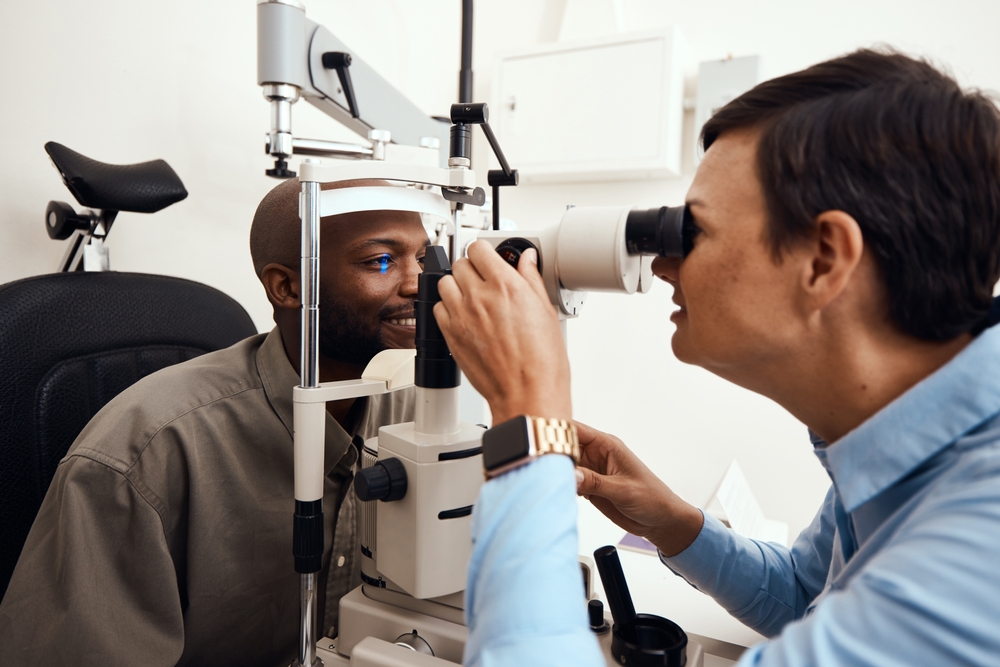
To determine if you are a good candidate for LASIK, an eye surgeon is looking for:
- Someone who is age 18 or older, with a prescription that has held steady for roughly the past year
- Thick enough corneas to safely perform the procedure
- Nearsightedness, farsightedness, or astigmatism within a treatable range
- Eyes free of active infection, untreated dry eye, keratoconus, and uncontrolled glaucoma
- Someone who is not currently pregnant or nursing, since hormones can shift your prescription temporarily
- Patients without autoimmune conditions like lupus, rheumatoid arthritis, or Sjogren’s syndrome
- Someone who wants to enjoy clear vision without glasses or contact lenses
While the only way to truly know if you’re a good candidate for LASIK is to attend a comprehensive consultation with an experienced ophthalmologist, The Eye Center’s online LASIK self-test can give you a rough sense of where you stand in a couple of minutes!
Why Being College-Aged Works in Your Favor
Younger corneas tend to heal quickly and predictably, which is part of why so many patients in their twenties see clearly the day after surgery.
Other eye problems are much less common in people around 20. Presbyopia, which is the age-related loss of near vision that usually starts in your forties, hasn’t started yet. Most people also don’t have cataracts at this age unless they were born with them. So, you probably won’t need to worry about vision changes after LASIK for many years.
Student life is busy and active. Activities like swimming, skiing, hiking, playing intramural sports, ROTC, theater tech, clinical rotations, or studying abroad are all easier when you don’t have to keep track of lens cases and backup glasses. After four years of buying lenses, solutions, and new frames, many students realize that LASIK can actually make financial sense once they add up their costs.
The Prescription Stability Question, Answered
This is the main reason young adults are sometimes told to wait, and it’s important to explain it clearly.
Nearsightedness often changes during your early years, but it usually slows and stabilizes in your late teens or early twenties. If you get LASIK while your eyes are still changing, your vision correction might not last, and you could need glasses again in a few years.
Your eye doctor will check your prescription history to see if your vision has stopped changing. They’ll compare your prescriptions from the last two or three years to those from a new eye exam. If your prescription has changed by about half a diopter or less in the past year, that usually means your eyes are stable. If the change is bigger, it’s better to wait a bit longer, but that doesn’t mean you can never get LASIK.
Contacts, Late Nights, and Dry Eye
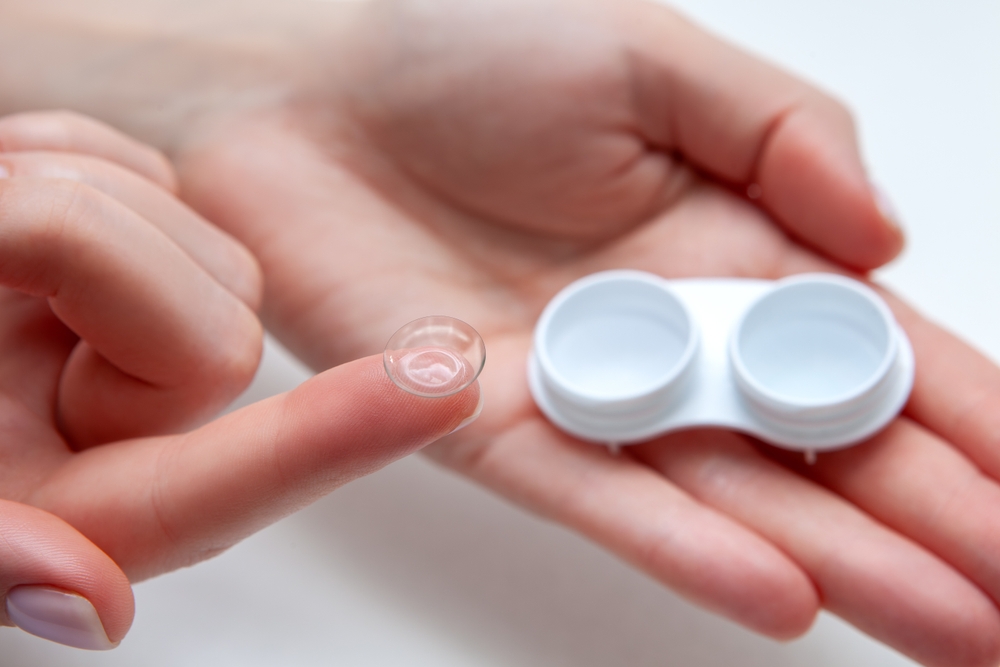
The quality of your tear film is more important for LASIK than most students realize, and common student habits can worsen it.
Sleeping in your contacts greatly increases your risk of eye infections. Wearing two-week lenses for six weeks does too. Spending six or eight hours a day on screens makes you blink less, which dries out your eyes. Combine that with dry dorm air in winter, and it’s easy to get used to irritation, redness, and blurry vision by the end of the day.
This is important for two reasons. First, dry eyes can affect the measurements needed for your surgery plan. Second, LASIK can temporarily reduce feeling in your cornea, which might make dry eyes feel worse for a few months after surgery. Treating dry eye before surgery helps get better measurements and makes recovery easier. You’ll also need to stop wearing contacts for several days or weeks before your appointment, since contacts can change the shape of your cornea.
What a LASIK Evaluation Actually Involves
Expect the evaluation to take about an hour. Bring your current glasses, and if you’re wearing contacts, bring your lens case too.
During the exam, your doctor will check the shape and thickness of your cornea, see how wide your pupils get in low light, and look at your tear film. Advanced tests like iTrace can show the difference between problems with your cornea and your lens, which can help explain vision issues that regular eye exams might miss.
Your eye doctor will also ask about any medications you take, review your health history, and discuss your vision goals and lifestyle to determine whether LASIK could be right for you.
Timing and Paying for LASIK as a Student

Most people can go back to class or work in one to three days, so it’s easier to schedule LASIK during a break instead of midterms. Winter break, spring break, or right after finals are all good times. Plan for a few days of limited screen time and no swimming, and try not to schedule surgery when you have a big paper due.
The cost of LASIK depends on the technology used, your surgeon’s experience, and the care included before and after the procedure. You can use Flexible Spending Account (FSA) funds for LASIK, so check if you or your parents have an FSA with money left before the year ends. There are also financing options to help spread out payments, and it’s common for parents to join the consultation and help with the decision.
Do you want to enjoy your college years and beyond without the hassles of contacts and glasses? Schedule an appointment at The Eye Center in Greenfield or Athol, MA, today.