
Over 82 million people in the United States have blepharitis, yet many have never heard of it. This chronic eyelid condition is caused by a buildup of bacteria and debris along the lid margins and can lead to persistent itching, dry eyes, and worsening inflammation over time.
BlephEx is a short, in-office procedure that removes this buildup, allowing the eyelids to function as they should. Keep reading to learn more about the benefits of BlephEx treatment for blepharitis.
What Is Blepharitis?
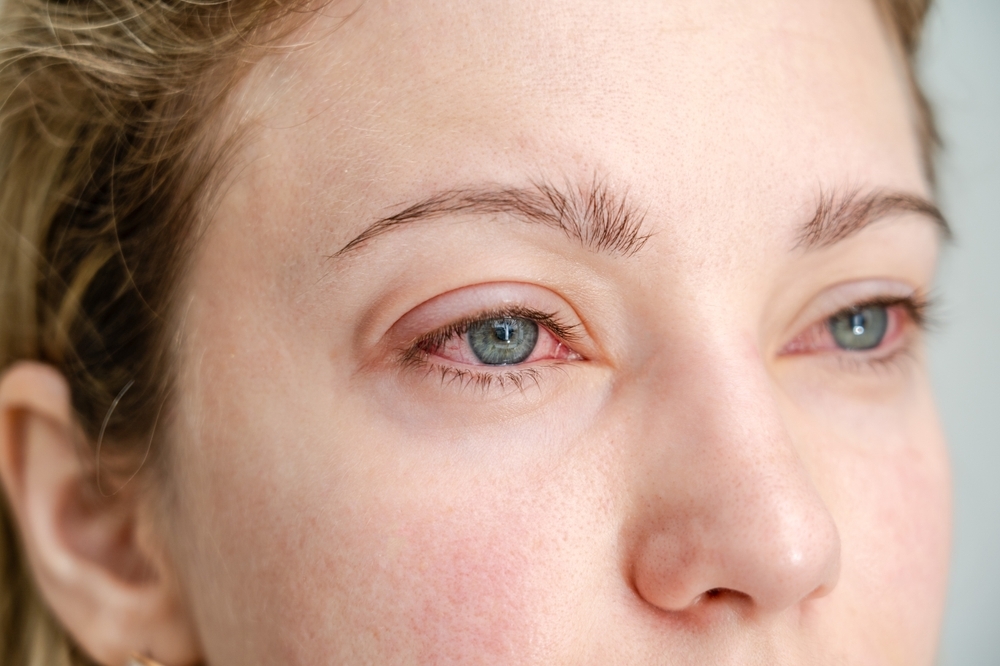
Blepharitis is a chronic inflammatory condition of the eyelids. It develops when bacteria that naturally live on the skin around the eyes grow beyond their normal levels.
As this bacterium multiplies along the lid margins and the base of the eyelashes, it produces a sticky biofilm. That biofilm then harbors bacterial toxins that irritate the eyelid tissue and interfere with normal tear production.
Over time, the buildup worsens, and the biofilm creates conditions that allow even more bacteria to thrive, deepening the inflammation and beginning to affect the meibomian glands, the small oil-producing glands in the eyelids that help keep the tear film stable.
When those glands become clogged or damaged, dry eye often follows. Left unmanaged, blepharitis progresses through stages that can eventually compromise the eyelid’s structural integrity.
Blepharitis is not contagious, but it also cannot be fully cured. With the right treatment, though, the condition can be managed effectively, and symptoms can be significantly reduced.
Recognizing the Symptoms
Blepharitis symptoms are most noticeable in the morning. Many patients wake up with eyelids that feel stuck together or crusty along the lash line. Others notice a gritty or burning sensation that lingers throughout the day, or eyes that water excessively despite feeling dry.
Common symptoms include itching, redness, eyelid swelling, flaking skin around the eyes, foamy-looking tears, and blurred vision that clears temporarily with blinking. Some patients experience a persistent sensation of something being caught in the eye.
Because these symptoms overlap with allergies and general dry eye, blepharitis often goes undiagnosed for years. Patients cycle through artificial tears and allergy drops without lasting relief because the underlying cause, the bacterial biofilm on the lids, has never been addressed.
What Is BlephEx?

BlephEx is an in-office treatment for blepharitis performed by the eye doctors at The Eye Center. The procedure uses a handheld device fitted with a medical-grade micro-sponge that spins at a controlled speed. This allows the provider to carefully and precisely clean biofilm, bacterial debris, and buildup along the eyelid margins and lash line.
The procedure takes about six to eight minutes and is generally well tolerated. Most patients describe it as a mild tickling sensation. No incisions are made, and there is no downtime afterward.
What makes BlephEx different from standard lid hygiene is the level of thoroughness. At-home lid scrubs with cotton swabs or eyelid wipes can help maintain the lids between treatments, but they lack the precision to remove the deeper bacterial buildup and biofilm that accumulate over time.
BlephEx removes what those methods leave behind, allowing the eyelid tissue and glands to begin recovering. Depending on the severity of the condition, treatments are typically repeated at regular intervals to keep blepharitis under control.
Why At-Home Care Is Not Always Enough
Lid hygiene at home is important, and eye care providers often recommend it as part of an ongoing maintenance routine. The problem is that the eyelid margin is a difficult area to clean properly on your own. The biofilm that builds up there is sticky and resilient, and a gentle scrub with a fingertip or cotton swab rarely removes it completely.
Over months and years, this partial cleaning allows debris and bacteria to accumulate in layers. The result is a buildup that contributes to chronic inflammation, gland dysfunction, and a persistent discomfort that does not respond well to artificial tears or warm compresses alone. Professional removal of that biofilm is what creates the conditions for genuine improvement.
Who Is a Good Candidate for BlephEx?

BlephEx is appropriate for patients who have been diagnosed with blepharitis or are experiencing its symptoms. The risk of developing blepharitis increases with age. According to research by Walter Reed Hospital, the incidence rises steadily from about 3% in adults aged 18 to 20, up to 71% in those over 65.
Patients who have been managing chronic dry eye, meibomian gland dysfunction, or ongoing eyelid irritation without satisfactory results are often good candidates. If you have tried lid scrubs and drops but still find your symptoms returning, blepharitis may be the underlying cause, and BlephEx may be the more direct solution.
Other factors that can increase the likelihood of developing blepharitis include seborrheic dermatitis, rosacea, and certain allergies. Your provider at The Eye Center can evaluate your eyelids and recommend a treatment plan based on the severity of your condition.
Find Lasting Relief at The Eye Center
Blepharitis is one of the most common eye conditions seen in clinical practice, and BlephEx offers a more complete approach to managing it than traditional at-home care alone. By removing the biofilm and bacterial buildup that drive eyelid inflammation, the procedure helps restore healthier conditions for the tear glands and provides meaningful relief from the daily discomfort of blepharitis.
If you have been dealing with itchy, gritty, or irritated eyes and have not found lasting relief, schedule a consultation at The Eye Center in Greenfield or Athol, MA today. Our team can evaluate your eyelids and help determine whether BlephEx is the right next step for you.